In recent years, King County, Washington has become a powerful example of how local communities can influence the fashion industry toward more sustainable and ethical practices. This shift is fueled by environmentally conscious shoppers, small independent designers, and policy efforts that support greener business models. Many residents of Seattle, Bellevue, and surrounding cities are increasingly aware of the environmental impact of fast fashion, which has traditionally been defined by mass production, short-lived garments, and excessive waste. The region’s well-educated consumer base is asking harder questions about where their clothes come from, the materials being used, and the working conditions behind the products they buy. This cultural shift has encouraged local brands to adopt more transparent supply chains, pursue responsible sourcing, and invest in biodegradable or recycled materials. Even businesses in unrelated fields have started adopting more eco-friendly practices, from energy-efficient workplace models to sustainable operations, a trend echoed by companies like In recent years, King County, Washington has become a powerful example of how local communities can influence the fashion industry toward more sustainable and ethical practices. This shift is fueled by environmentally conscious shoppers, small independent designers, and policy efforts that support greener business models. Many residents of Seattle, Bellevue, and surrounding cities are increasingly aware of the environmental impact of fast fashion, which has traditionally been defined by mass production, short-lived garments, and excessive waste. The region’s well-educated consumer base is asking harder questions about where their clothes come from, the materials being used, and the working conditions behind the products they buy. This cultural shift has encouraged local brands to adopt more transparent supply chains, pursue responsible sourcing, and invest in biodegradable or recycled materials. Even businesses in unrelated fields have started adopting more eco-friendly practices, from energy-efficient workplace models to sustainable operations, a trend echoed by companies like Nortech Heating, Cooling & Refrigeration, which demonstrates how environmental responsibility is becoming a shared community value that influences multiple industries, including fashion.
How King County Designers Are Leading the Change
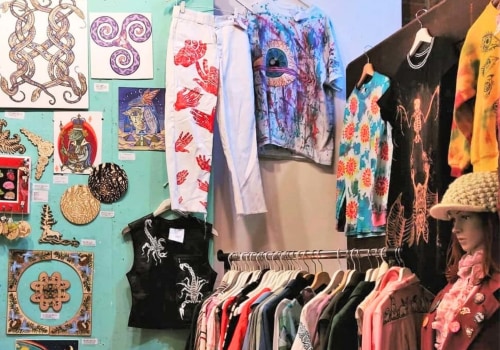
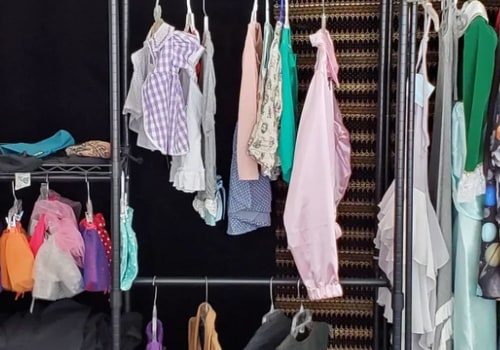
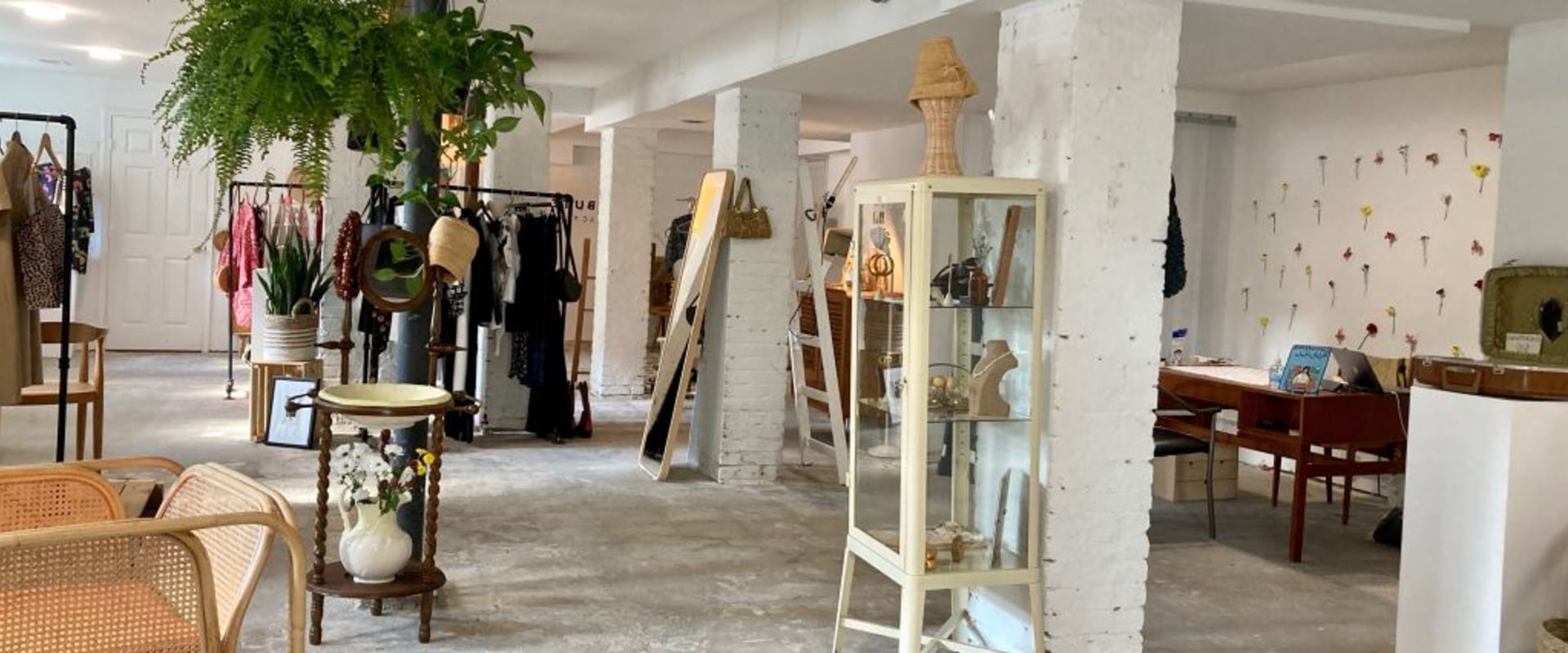
Independent designers throughout King County have played a major role in transforming fashion norms. Many small fashion studios in neighborhoods such as Capitol Hill, Fremont, and Pioneer Square focus on handmade apparel, upcycling, and small-batch manufacturing, which significantly reduces waste. These designers often use organic cotton, repurposed denim, discarded textiles, or post-consumer fibers to produce one-of-a-kind garments. Local markets and fairs—such as the Fremont Sunday Market, Ballard Farmers Market, and seasonal maker events—have quickly become hubs for sustainable fashion shopping. Here, customers can speak directly with designers about how materials are sourced and why ethical practices matter. This level of transparency not only strengthens trust but also allows shoppers to appreciate the craftsmanship behind each item. Larger retailers in the region have also begun adopting circular fashion initiatives, including clothing recycling drop-off programs, repair workshops, and buy-back incentives designed to keep textiles out of landfills. The emphasis on reusability and long-term durability is helping King County set new expectations for what responsible fashion can look like.
Community Influence, Policy Support, and Future Outlook
Local government and community organizations have also contributed to the rise of sustainable fashion in King County. Programs promoting textile recycling, grants for green business innovation, and incentives for eco-friendly startups have helped reduce barriers for emerging sustainable designers. Educational institutions, including local colleges and technical schools, have begun offering courses that focus on sustainable design, green manufacturing, and ethical sourcing. These programs equip the next generation of designers, business owners, and engineers with the skills to prioritize environmental responsibility from the start of their careers. Meanwhile, environmentally focused nonprofits have partnered with thrift stores, consignment shops, and clothing swap events to promote secondhand shopping as a mainstream option rather than a niche pastime. As these combined efforts continue to grow, King County is becoming a regional leader in ethical fashion. With supportive consumers, innovative designers, and community-wide collaboration, the area is shaping a future where sustainable style is not only possible but expected.